About
Writing has given my existence meaning despite an academic and professional life that couldn’t be further removed from it.
I began reading almost as soon as I could make sense of words. My first poem, about a man who slept in a pan, was written at the age of seven to great acclaim. There were a few lost years in between, when academics assumed centre-stage. But I found my way back in college with a personal blog that won accolades and brought travel- and content-writing gigs.
The Young India Fellowship at Ashoka University marked my foray into critical thinking and ‘literary’ writing. Most of what I’ve learnt as a writer, however, has come from reading, writing and doing. I’ve worked as a developmental editor and proofreader for several authors and publishing houses, attended workshops on literary craft, and conducted short-story workshops for beginners. Reading other people’s work closely, trying to articulate why something doesn’t work and finding ways to make it work has perhaps been my greatest education.
I went on to build an entirely different career—as an executive officer in the Indian government. Over my ten years inside the bureaucratic machinery, I’ve seen how hierarchies function, how laws operate in practice, and how ordinary people negotiate systems. It’s helped me understand not only public institutions, but also the politics of family and relationships.
But today, if a stranger at a party were to ask me what I do, I’ll probably still say I’m a writer.
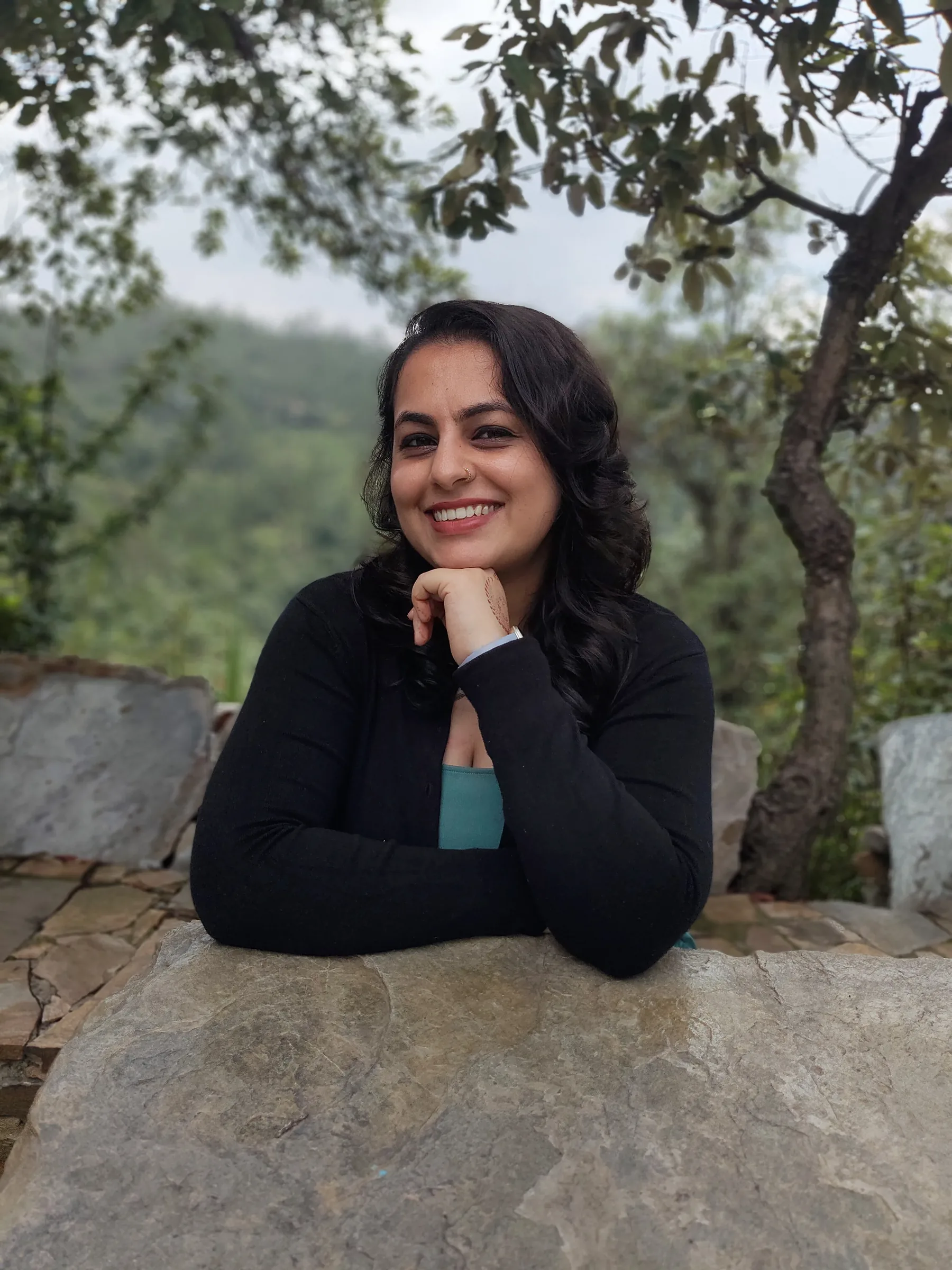
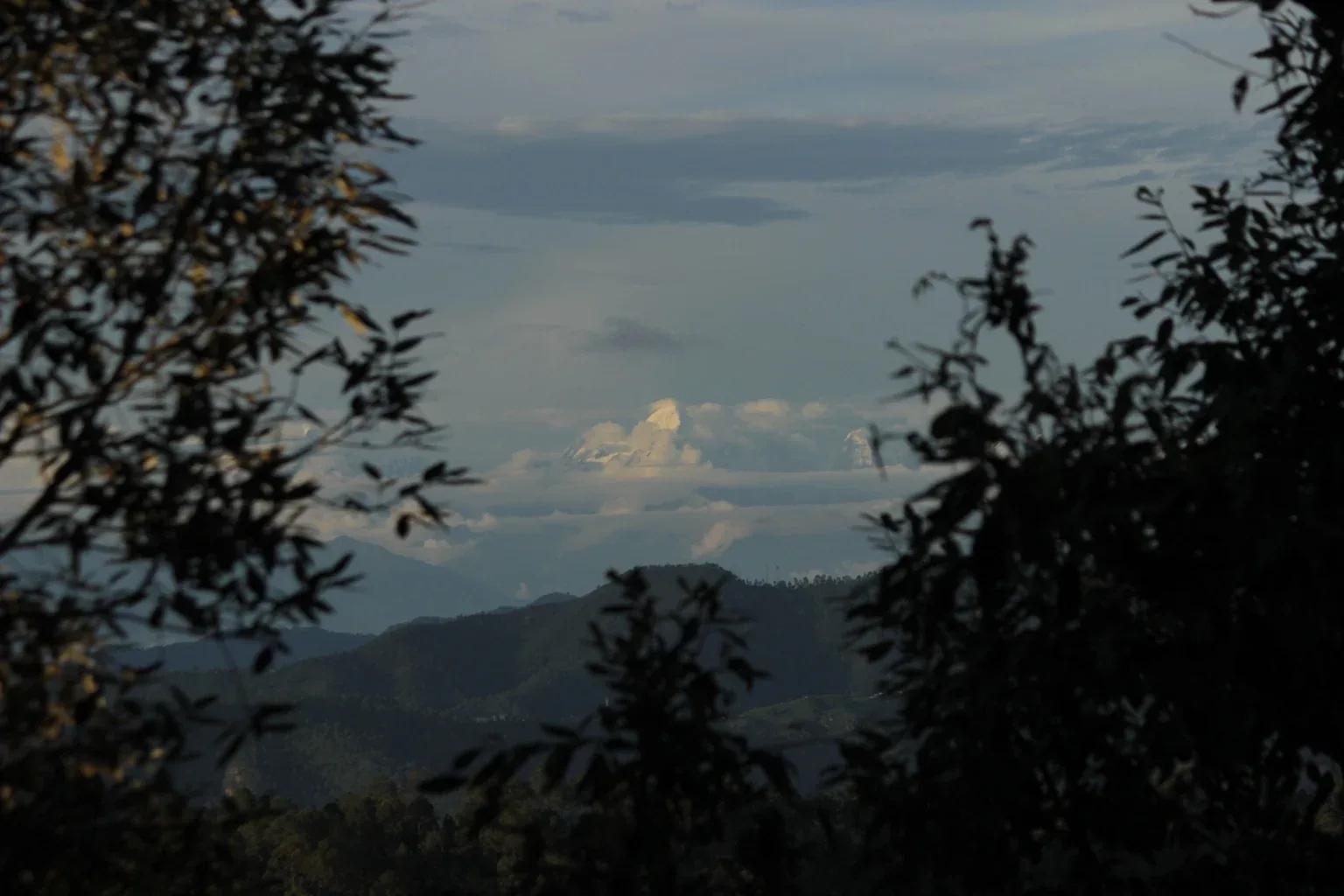
In 2024, I was selected for the inaugural cohort of the Himalayan Emerging Writers Residency, a three-week programme at the Himalayan Writing Retreat in Uttarakhand, to work on my first novel. For someone accustomed to fitting writing around a full-time job, having three weeks dedicated entirely to writing was a rare privilege, especially in the company of ten other writers, each working on very different projects. Between long walks, mealtime conversations and craft discussions, I began looking at my own writing in new ways and developed a clearer sense of the story I wanted to tell. Read my reflections on the residency →
My novel in progress explores marriage, identity, family and the contradictions of contemporary Indian life from an urban Punjabi lens. Much of my writing is concerned with the gap between the lives we think we’ve chosen and the expectations, compromises and inherited ideas that shape them. I’m particularly interested in family dynamics, class, belonging, and how social change finds its way into our most private decisions.
Finding the time and mental space to write hasn’t always been easy, with the demands of public service and social life often draining the last dregs of creativity. But nobody said it was easy. I do it because I know no other way of life.
Outside of writing, I’m usually found reading with a cup of coffee, travelling, looking for birds, solving puzzles or photographing things I want to remember.
“The idea, you know, is that the sentimental person thinks things will last—the romantic person has a desperate confidence that they won't.”— F. Scott Fitzgerald, This Side of Paradise